
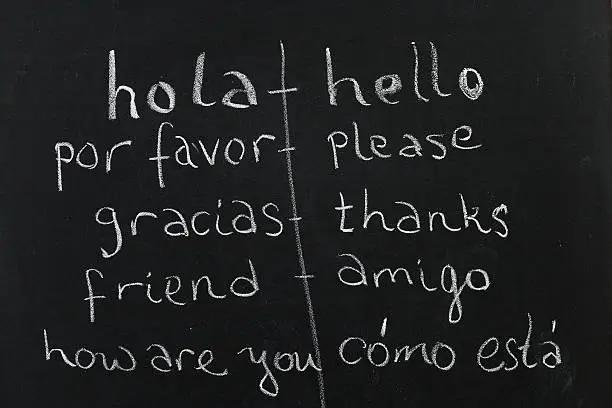
Language barriers can turn simple transactions into complicated ordeals. Whether you’re finalizing a real estate deal, navigating a legal proceeding, or conducting international business, miscommunication isn’t just inconvenient – it can be costly and legally problematic. While digital translation tools have become commonplace, they often fall short when accuracy, nuance, and legal validity matter most. This is where professional in-person translation services become not just helpful, but essential.
For Spanish-speaking individuals and businesses operating in English-dominant environments, or vice versa, having a qualified translator present during critical moments ensures nothing gets lost in translation. From understanding complex legal terminology to capturing the subtle context of business negotiations, face-to-face translation bridges communication gaps in ways that apps and automated services simply cannot. In this article, we’ll explore why in-person translation matters, when you need it most, and how to ensure you’re getting the quality service your situation demands.
The Limitations of Digital Translation Tools
We’ve all relied on Google Translate or similar apps for quick translations, and for casual conversations or simple phrases, they work reasonably well. However, these automated tools have significant limitations that become glaringly apparent in professional settings.
Digital translators struggle with context, idiomatic expressions, and regional dialects. A phrase that makes perfect sense in Mexico might be confusing or even offensive in Spain or Argentina. Legal and technical documents contain specialized terminology that requires human understanding of both the language and the subject matter. A mistranslation in a contract clause or court document can have serious legal consequences.
Additionally, automated tools can’t pick up on tone, intent, or cultural nuances that influence meaning. During negotiations or sensitive discussions, these subtleties often carry as much weight as the words themselves. A professional human translator doesn’t just convert words – they facilitate genuine understanding between parties.
When In-Person Translation Becomes Necessary
Certain situations demand the presence of a qualified translator who can provide real-time, accurate interpretation. Here are the most common scenarios where in-person translation services are not just beneficial but often required:
Legal Proceedings and Court Appearances
Courts require accurate interpretation to ensure all parties understand what’s happening. Whether you’re a defendant, plaintiff, or witness, having a professional translator ensures your rights are protected, and you can fully participate in legal proceedings.
Real Estate Transactions
Buying or selling property involves complex documentation, negotiations, and legal requirements. Misunderstanding a single clause in a purchase agreement or lease can lead to financial loss or legal disputes. An in-person translator helps you navigate these transactions with confidence.
Medical Appointments
Healthcare communication must be precise. Describing symptoms, understanding diagnoses, and following treatment instructions all require clear communication. Medical misunderstandings can have life-threatening consequences, making professional translation vital.
Business Negotiations and Meetings
When conducting business across language barriers, subtle miscommunications can derail deals worth thousands of dollars. Having a professional translator present ensures both parties understand terms, expectations, and commitments clearly.
Immigration and Visa Applications
Immigration processes involve extensive paperwork and interviews where accuracy is crucial. Professional translation services help ensure your application materials are correctly translated and that you understand all requirements and implications.
What Makes Professional In-Person Translation Different
Professional translation services offer advantages that go far beyond basic language conversion. Understanding these differences helps you appreciate the value of working with qualified translators.
Certified Expertise and Training
Professional translators undergo extensive training in both language proficiency and translation methodology. They understand linguistic structures, cultural contexts, and industry-specific terminology. This expertise ensures accuracy that automated tools and untrained bilinguals cannot match.
Neutrality and Impartiality
In legal and business settings, translators must remain neutral. They don’t add opinions, summarize, or advocate – they translate exactly what’s said. This impartiality is crucial for maintaining the integrity of proceedings and negotiations.
Confidentiality and Professionalism
Professional translation services operate under strict confidentiality agreements. Your sensitive business information, legal matters, and personal details remain protected. This level of security is essential when dealing with proprietary information or private legal issues.
Cultural Mediation
Beyond words, experienced translators help bridge cultural differences that affect communication. They understand business etiquette, social norms, and cultural sensitivities that can impact how messages are received and interpreted.
How to Choose the Right Translation Service
Not all translation services are created equal. When selecting a provider for important matters, consider these critical factors:
Look for translators with relevant certifications and credentials. Depending on your needs, this might include court interpreter certification, medical interpreter credentials, or specialized business translation experience.
Verify their experience in your specific field. Legal translation requires different expertise than medical or technical translation. Ask about their background with similar projects or cases.
Confirm language pair proficiency. Being bilingual doesn’t automatically qualify someone as a professional translator. Look for native or near-native fluency in both languages, accompanied by a profound understanding of regional variations and dialects.
Ask about confidentiality policies and professional liability insurance. These protections matter when you’re entrusting sensitive information to a third party.
The Real Cost of Inadequate Translation
Cutting corners on translation services can lead to consequences far more expensive than the service itself. Understanding these risks helps put the value of professional translation into perspective.
In legal contexts, mistranslations can result in lost cases, dismissed evidence, or even wrongful convictions. The financial and personal costs of these outcomes far exceed the investment in proper translation services.
Business deals can collapse due to misunderstandings over terms or unmet expectations resulting from poor translation. When contracts worth thousands or millions of dollars are at stake, the relatively small cost of professional translation becomes insignificant.
Immigration applications can be denied due to translation errors, resulting in delayed processes, additional fees, and extended family separations. The emotional and financial toll of these setbacks makes professional translation an obvious investment.
Medical mistakes caused by communication errors can lead to misdiagnoses, incorrect treatments, and adverse health outcomes. In these cases, the cost isn’t just financial – it’s measured in health and well-being.
Making In-Person Translation Work for You

To maximize the value of professional translation services, thorough preparation and clear communication are essential.
Schedule appointments with adequate time. Rushed translation sessions increase the likelihood of errors and misunderstandings. Allow enough time for thorough, accurate communication.
Provide context and background materials when possible. If you’re translating legal documents or business contracts, giving your translator advance access to materials helps them prepare appropriate terminology and understand the broader context.
Be clear about the purpose and audience for the translation. Different situations call for different levels of formality and specialized vocabulary. A business presentation requires a different language than a casual conversation.
Ask questions when something isn’t clear. Professional translators welcome clarification requests to help them provide more accurate service and ensure everyone is truly on the same page.
Moving Forward with Confidence
Language should never be a barrier to justice, business success, or accessing essential services. Professional in-person translation services ensure that Spanish and English speakers can communicate with the clarity and precision their situations require.
Whether you’re navigating complex legal proceedings, finalizing important business deals, or simply need to ensure critical information is clearly understood, working with qualified translators protects your interests and facilitates successful outcomes. The investment in professional translation pays dividends in accuracy, legal compliance, and peace of mind.
As our communities become increasingly multilingual, the demand for reliable, professional translation services continues to grow. By choosing experienced translators who understand both language and context, you ensure that communication barriers don’t stand between you and your goals. When clarity matters most in courtrooms, conference rooms, and consulting offices, professional in-person translation services provide the linguistic bridge that makes successful communication possible.